
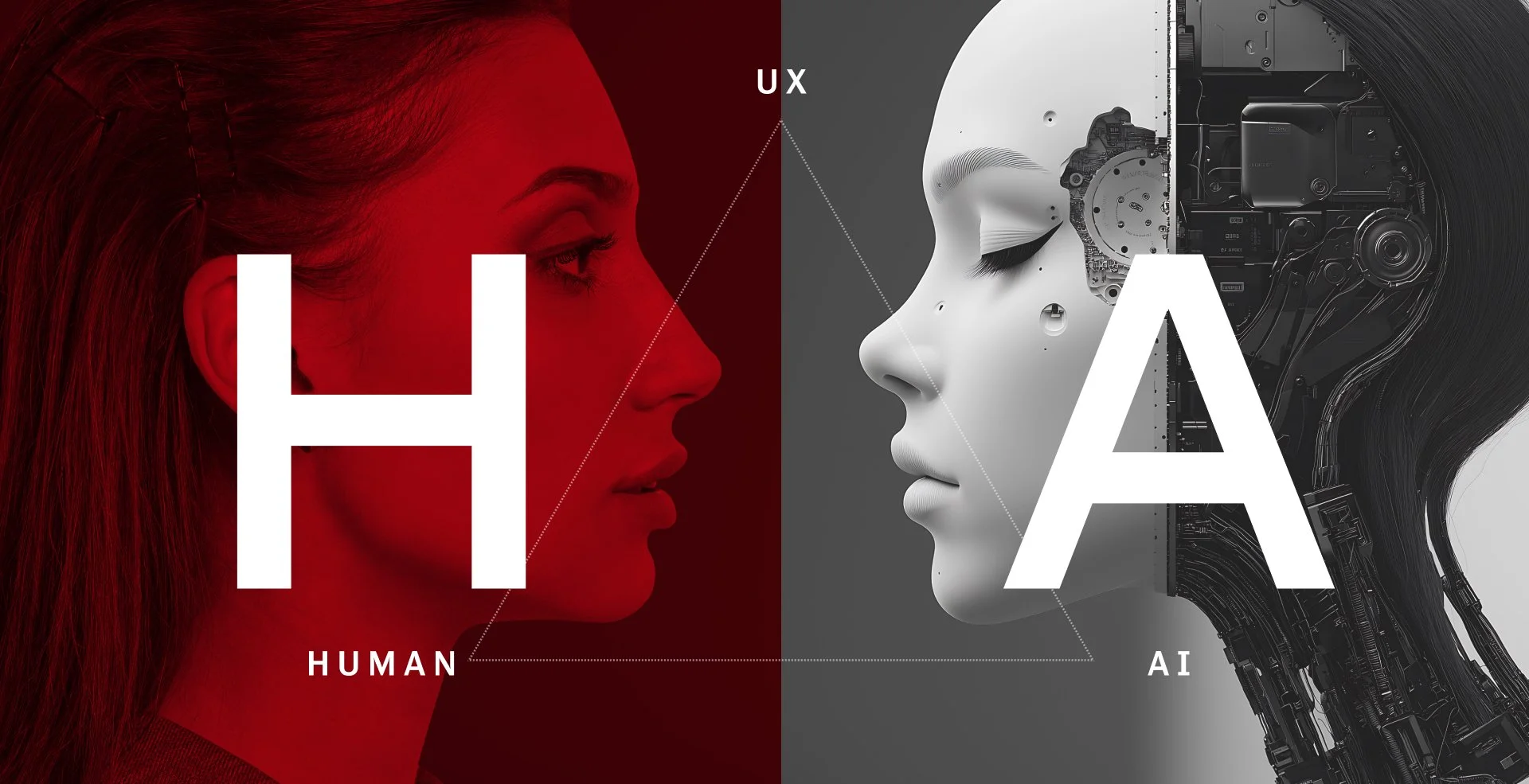
Artificial intelligence is advancing at an incredible pace. Models are becoming faster, larger, and more capable with every release. Yet many AI-powered products still struggle to gain real adoption.
The reason is not intelligence.
It is experience.
People never interact with models directly. They interact with screens, flows, messages, and feedback. No matter how advanced an AI system is behind the scenes, users judge it by how it feels to use.
This is why designing human-centric AI matters more than building smarter models.
AI Rarely Fails Technically
Most AI products do not fail because the model is inaccurate. They fail because users feel confused, uncertain, or disconnected.
Common user reactions include:
- Not understanding why the system made a decision
- Feeling unsure about what to do next
- Losing confidence after one unexpected result
- Feeling replaced rather than supported
Once trust is lost, adoption collapses.
UX Is the Bridge Between Intelligence and Understanding
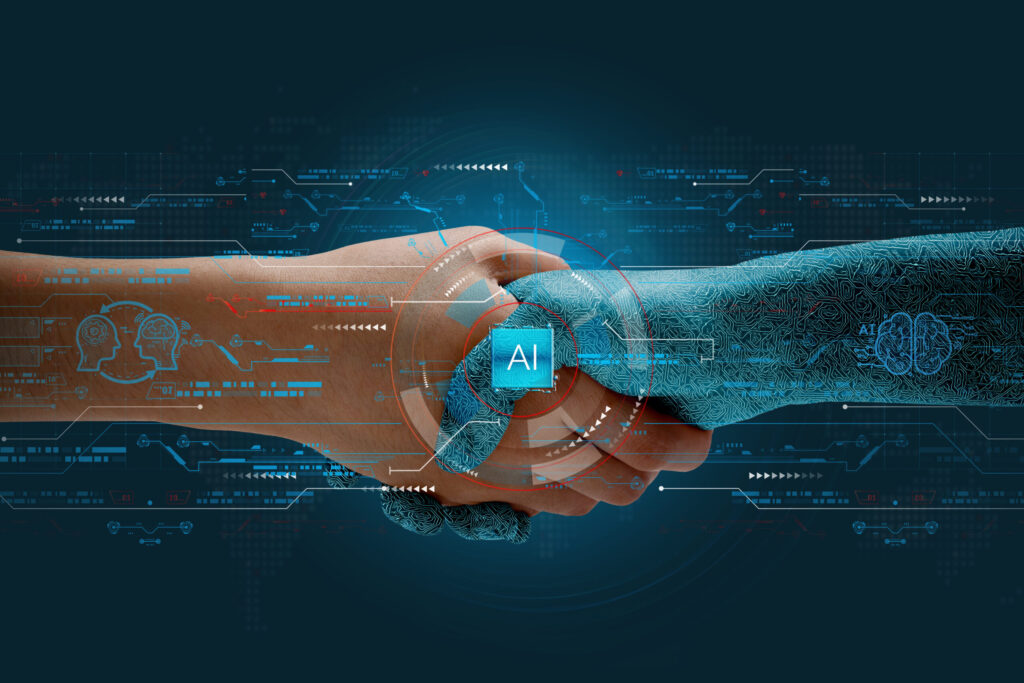
AI systems operate in probabilities and patterns. Humans operate in intent and clarity. UX connects these two worlds. Great UX quietly answers:
- What is happening?
- Why did this happen?
- What can I do next?
- Can I correct this?
Without these answers, AI feels like a black box. With them, it feels like a partner.
Human-Centric AI Respects the User

Human-centric AI is built on respect.People do not want to be replaced. They want to be supported.
Systems that succeed:
- Explain instead of command
- Suggest instead of dictate
- Allow feedback and override
- Adapt to user context
Control builds confidence. Confidence builds usage.